
Shipping LTL 101: Overlooked challenges and how to prevent them

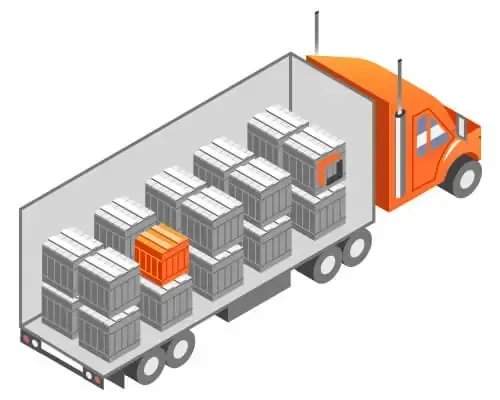
Shipping Less-Than-Truckload (LTL) can be a great cost-saving option for businesses that don’t need a full truckload (FTL) of goods. However, it also comes with unique challenges that shippers need to navigate to ensure smooth operations, timely deliveries, and cost efficiency. In this blog, we’ll explore the common challenges in LTL shipping and offer practical solutions to address them.
1. Multiple Handling and Increased Risk of Damage
Challenge:
LTL shipments are typically consolidated with other shipments from different shippers, meaning your freight will be loaded, unloaded, and transferred multiple times. This increases the risk of damage or loss, especially for delicate or fragile goods.
Solution:
Proper Packaging: Invest in durable and secure packaging that can withstand multiple transfers. Use protective materials like foam, bubble wrap, and pallets.
Label Clearly: Clearly mark fragile items and ensure that labels are visible and accurate to prevent mishandling.
Partner with Reliable Carriers: Choose carriers with a good reputation for handling freight carefully and minimizing damage during transit.

2. Limited Control Over Transit Time
Challenge:
LTL shipments can take longer to reach their destination compared to FTL because of the multiple stops and shared truck space. This can be problematic for businesses that need fast, reliable delivery schedules.
Solution:
Plan Ahead: If you know that your shipment will need extra time, schedule it earlier to accommodate potential delays.
Use Expedited Services: Some LTL carriers offer expedited shipping services for an additional cost, which can ensure faster transit times.
Communicate with Carriers: Keep in close contact with your carrier and use technology to track your shipments. Many LTL providers now offer real-time tracking, allowing you to stay updated on where your freight is and when it will arrive.

3. Complicated Pricing Structure
Challenge:
LTL shipping rates can be confusing, as they depend on various factors such as freight class, weight, dimensions, distance, and accessorial charges (e.g., liftgate services, inside delivery). This makes it difficult for businesses to estimate shipping costs accurately.
Solution:
Leverage Freight Classifications: Understand how freight is classified, as misclassifying goods can lead to reclassification charges. Utilize tools like the NMFC (National Motor Freight Classification) to categorize shipments properly.
Negotiate Rates: Build strong relationships with your carriers and negotiate favorable rates based on shipping volume. Some third-party logistics (3PL) providers can also help secure better pricing.
Use Freight Rate Tools: Invest in freight management software or online tools that can calculate shipping costs in advance based on your shipment’s specifications.

4. Limited Coverage in Certain Areas
Challenge:
While LTL shipping networks are extensive, certain rural or remote areas may have limited service availability. This can lead to longer delivery times or increased shipping costs due to the need for extended or “final-mile” delivery services.
Solution:
Use Regional Carriers: Partner with regional LTL carriers that specialize in specific areas. They often provide more reliable service and coverage in remote regions.
Consolidate Shipments: If possible, consolidate multiple shipments going to the same area to minimize costs and maximize efficiency.
Check Service Maps: Before shipping, review carrier service maps to ensure coverage and avoid unexpected delays or costs.

5. Freight Classification Issues
Challenge:
LTL carriers rely heavily on freight classification to determine the cost of shipping. If the freight is classified incorrectly, it can lead to costly reclassification charges or delays in transit.
Solution:
Know Your Freight Class: Ensure that you understand the criteria for freight classification, which is based on factors like density, value, and handling requirements. Use carrier-provided resources or consult with a 3PL to get it right.
Use Dimensional Pricing: Many carriers are moving toward dimensional weight pricing. Make sure you accurately measure and record your shipment's dimensions to avoid additional fees.

6. Freight Tracking Challenges
Challenge:
With LTL, your shipment might change hands and vehicles multiple times, making it harder to track. This can cause communication breakdowns or visibility issues, especially if your carrier doesn’t offer robust tracking capabilities.
Solution:
Use Advanced Tracking Solutions: Many carriers now offer real-time tracking for LTL shipments. Ensure that your LTL carrier provides digital solutions that allow you to monitor your freight’s progress.
Work with a 3PL: Third-party logistics providers often provide advanced technology and tracking systems that offer better visibility into your freight’s journey, minimizing uncertainty.
Conclusion
Shipping LTL offers great benefits for businesses that need to move smaller loads without paying for an entire truck. However, the challenges—such as multiple handling, complex pricing, and limited coverage—require careful planning and proactive strategies. By understanding these challenges and implementing the right solutions, businesses can optimize their LTL shipping processes, reduce costs, and ensure timely deliveries.
Whether it’s choosing the right packaging, using real-time tracking tools, or negotiating rates, being prepared and informed can make LTL shipping a smooth and efficient part of your supply chain.
Need help optimizing your LTL shipping process?
At Hoffman Supply Chain Advisors, we specialize in helping businesses streamline their supply chain and logistics operations. Contact us to learn more about how we can help you improve efficiency and reduce costs.